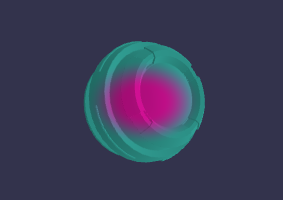
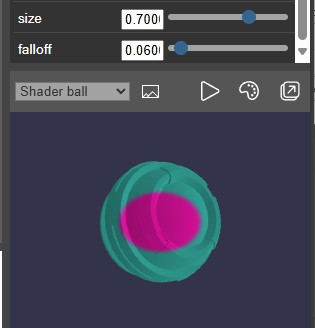
@Boye, the examples you are showing are simply the interpolation between two inputs - color, image, or any other input - using a screen space gradient. In the case of the cars, dropping a new paint seems to be interpolating only between base color - though there may be interpolation of roughness/metallic if one of the paints has a metal flake in it. The clear coat on the material does not change so you could simply have two color inputs (current and next) in the shader wired to base color. Using a screen space gradient that can be animated will handle the transition between them. This way the gradient does not wrap in UV space, but instead uses screen UVs to wipe from the center.
This is a super simple example that could benefit from calculating screen aspect ratios, adding some animating noise into the interpolation mask, dialing in for scale and camera position, etc. But this should at least get you started down the path. Let me know if you have more questions.